Published:
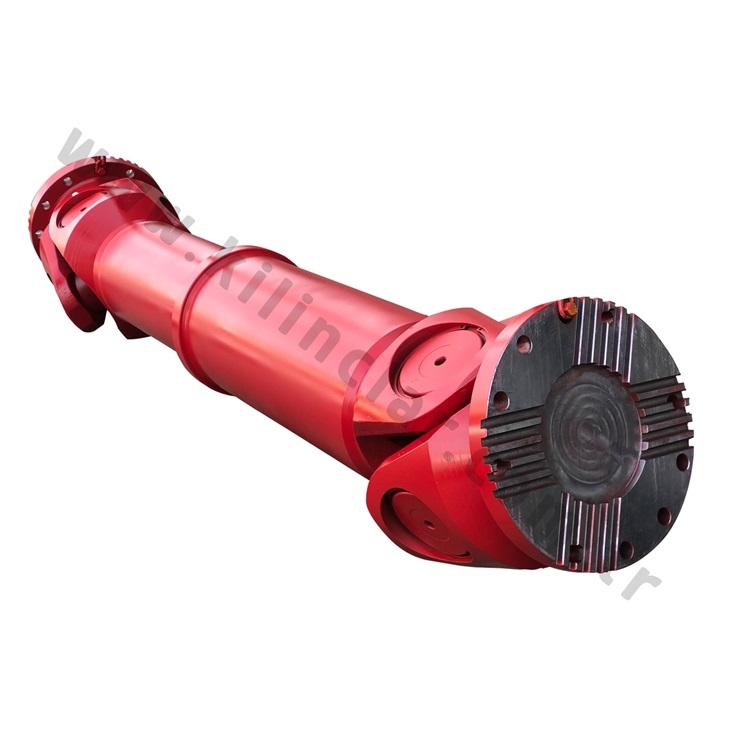
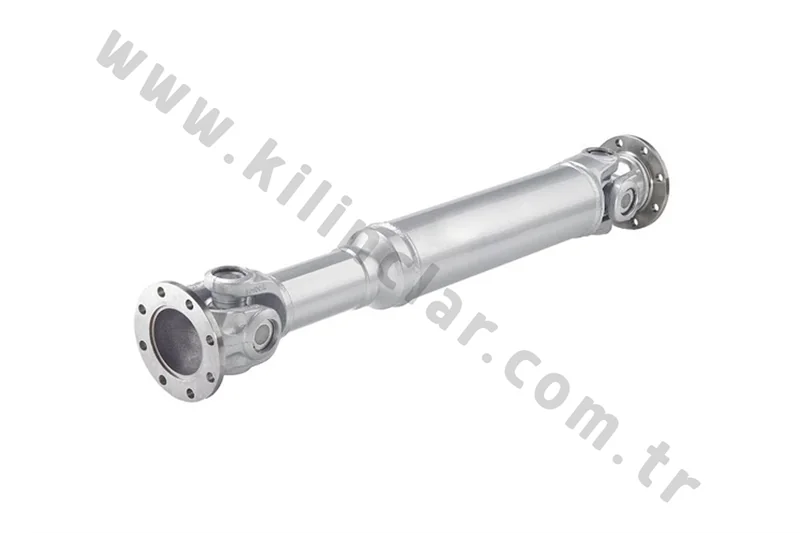
A tractor shaft transmits power produced by the tractor's engine to other mechanisms or driven equipment. Its location and arrangement depend on the tractor's design and the function of the shaft.
Its main functions include:
- Power transmission: It transfers mechanical power from the tractor to compatible driven equipment. The equipment depends on the application and may include powered agricultural implements or trailer mechanisms where a shaft drive is provided.
- Rotary motion: The shaft transmits rotation from the tractor's drivetrain to the connected mechanism, providing the motion needed to operate it.
- Adjustable length: Many tractor drive shafts have a telescopic arrangement. This accommodates the required distance and movement between the tractor and compatible implements, subject to the shaft's specified operating limits.
A tractor's PTO, or power take-off, supplies rotary power to other machinery through a connected drive shaft. It is used to operate suitable agricultural implements, including powered rakes and other equipment.
Tractor shafts vary with the tractor's design and intended use. Their common role is to transmit power and operate the relevant driven equipment.