Published:
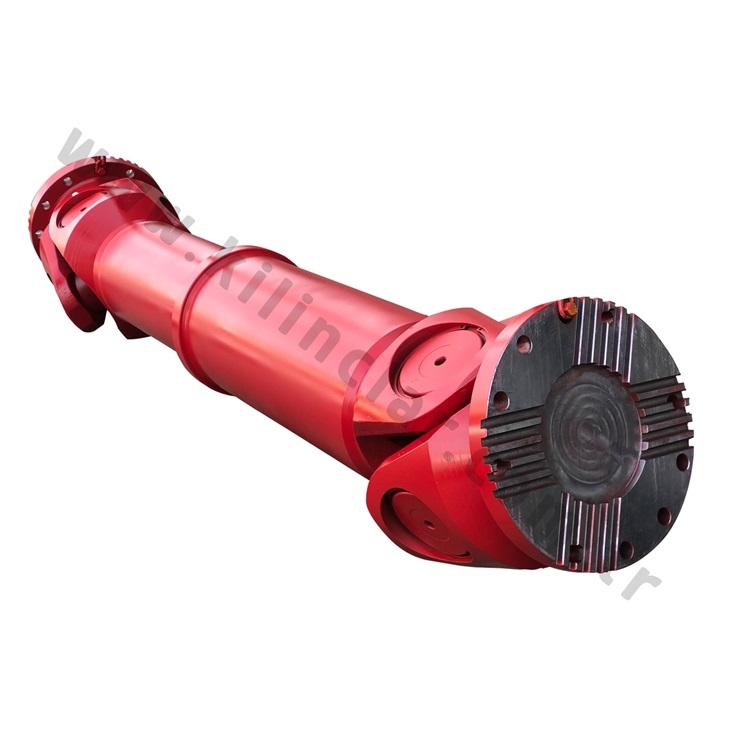
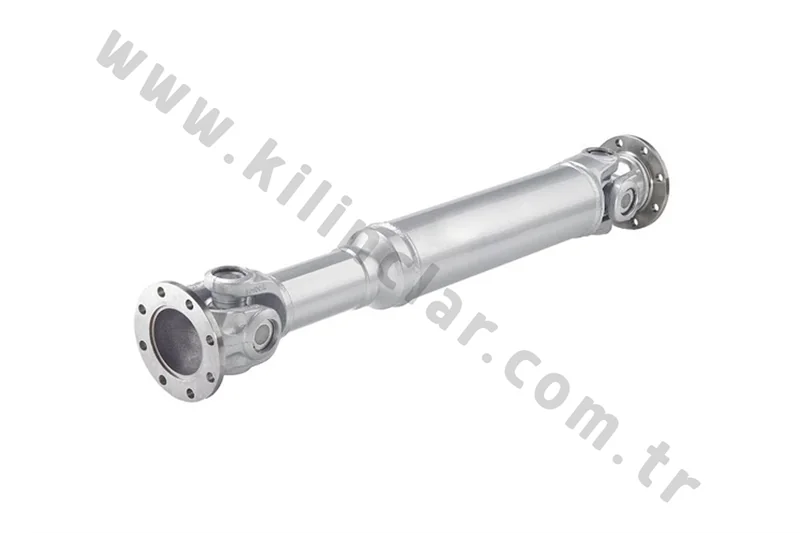
Shaft manufacturing involves the design and production of a shaft for a machine or mechanism, usually from metal or an alloy. Shafts transmit or support rotary motion and are used in automotive, aerospace, energy, machinery manufacturing, marine and many other industries. Our company manufactures shafts.
The manufacturing process generally includes the following stages:
- Design: The shaft's dimensions, material, rotational speed, load capacity and other technical characteristics are established. This is commonly done using computer-aided design (CAD) software.
- Material selection: The material is chosen according to the design requirements and operating conditions, including load, temperature and corrosion resistance. Materials may include steel, alloy steel, stainless steel, titanium and aluminium.
- Manufacturing: The process may involve turning, milling, drilling, heat treatment such as hardening and tempering, surface treatment such as coating and grinding, and thread cutting. The operations depend on the design and the material's characteristics.
- Assembly: The shaft is connected to other components using suitable threaded, welded or bolted connections. Correct alignment and reliable connections are important at this stage.
- Quality control: Measurements and tests are used to inspect the finished shaft. Dimensions, surface quality, material properties and other important characteristics are checked.
Each shaft must be manufactured in accordance with its application requirements and design parameters. Quality control throughout the process helps ensure that the finished shaft delivers the required durability and reliability.