Published:
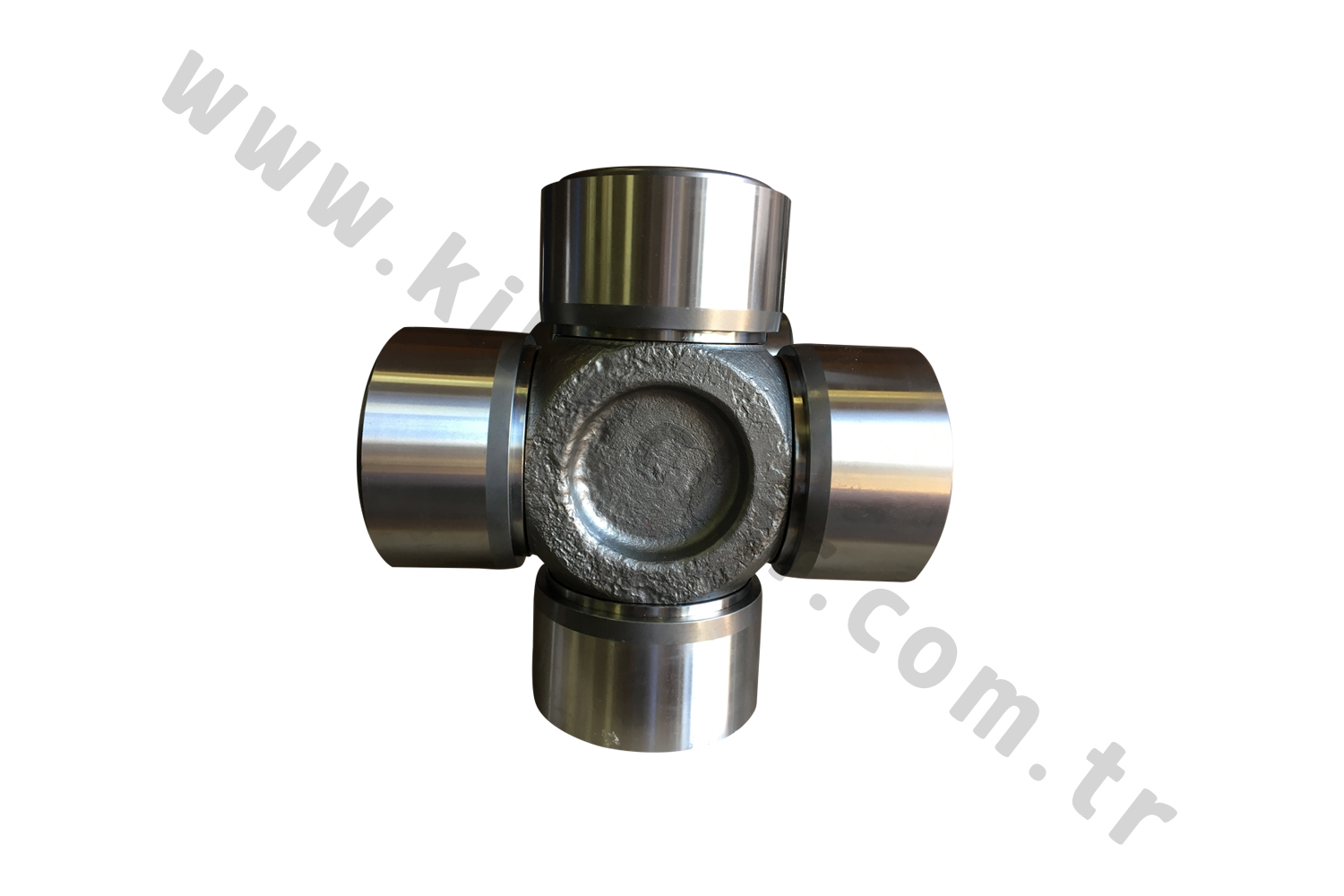
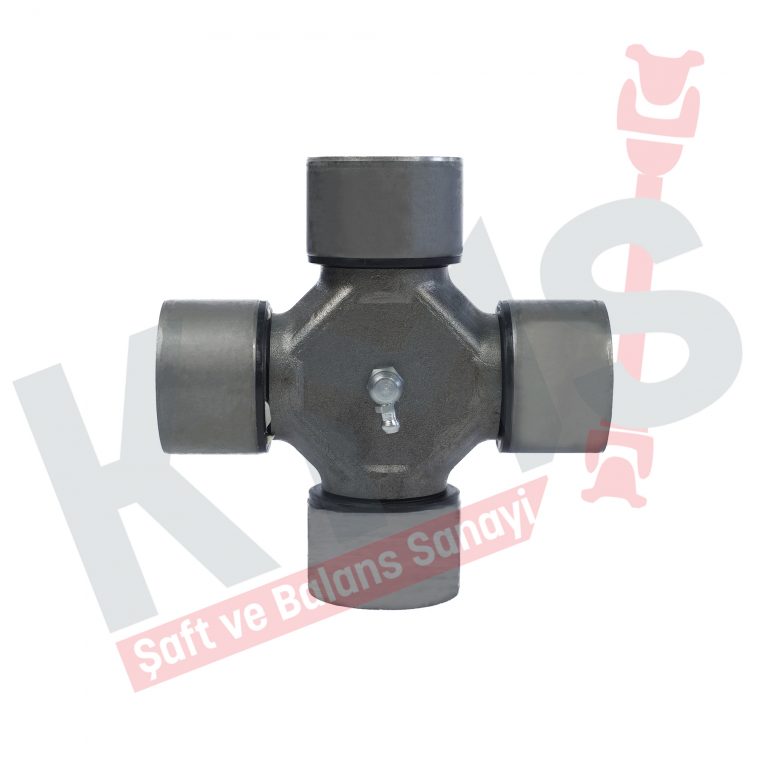
A jointed shaft connects components while allowing relative angular movement. The joint is the connection that permits movement between the parts. More broadly, articulated connections are used to join components while allowing rotation about an axis.
Joints and articulated connections have many mechanical applications. The examples below include both shaft joints and other types of movable connection:
- Vehicle exhaust systems: Flexible connections between exhaust sections help accommodate engine vibration and movement. These are exhaust connections rather than power transmission shafts.
- Door mechanisms: Hinged or articulated connections allow a door to rotate through the required angle and open widely.
- Piping systems: Articulated or adjustable connections can allow pipes to be positioned at an angle and accommodate changes in the installation.
- Vehicle steering systems: Jointed steering shafts transmit the driver's steering input through the steering system while accommodating the shaft arrangement.
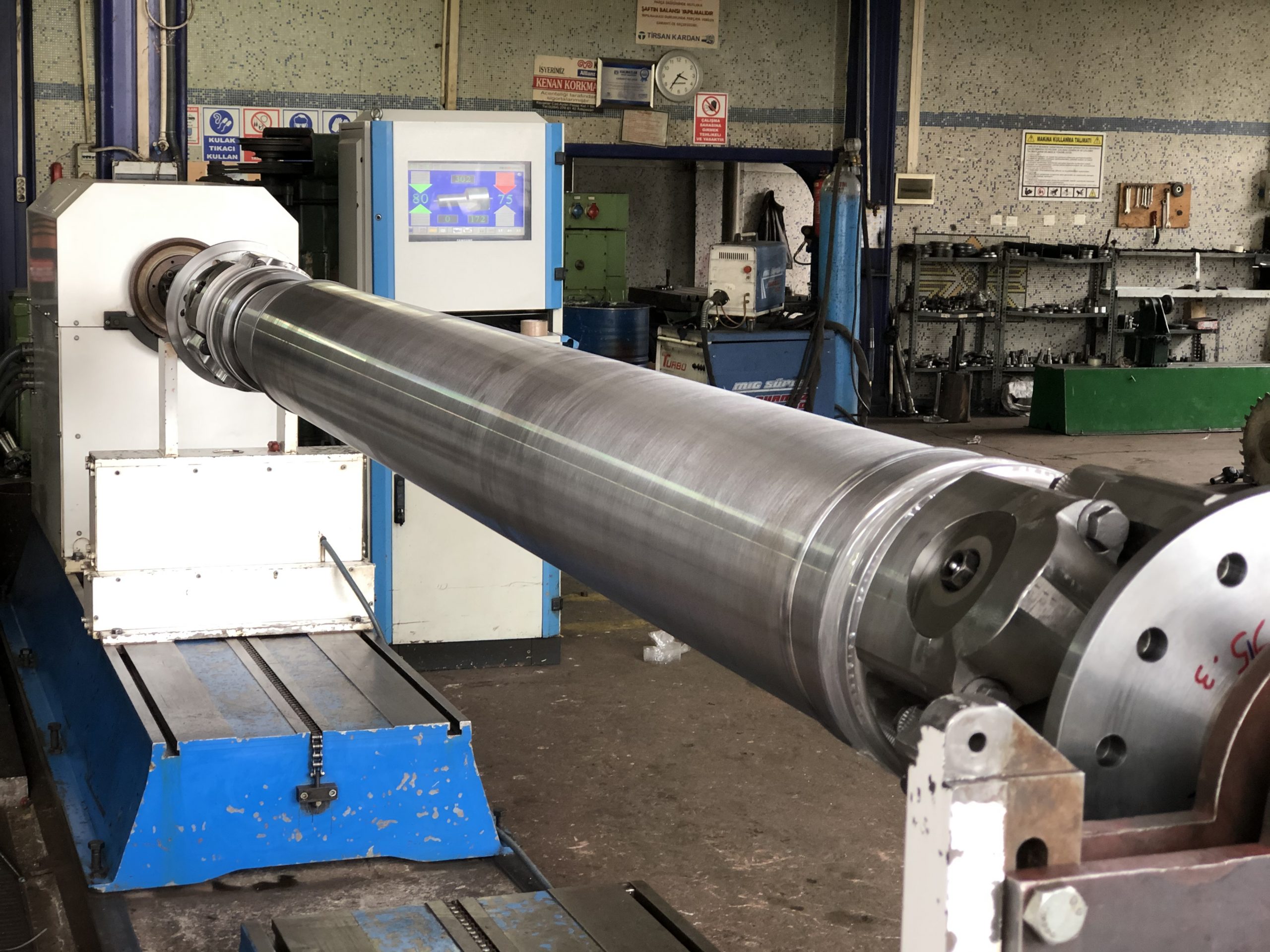
- Construction machinery: Jointed shafts and articulated mechanisms are used where angular movement or rotary motion is required.
These examples show how different types of joint can serve different applications. By connecting components while allowing the required movement, joints provide flexibility within a mechanical assembly. The appropriate joint or shaft design depends on the function of the system.