Published:
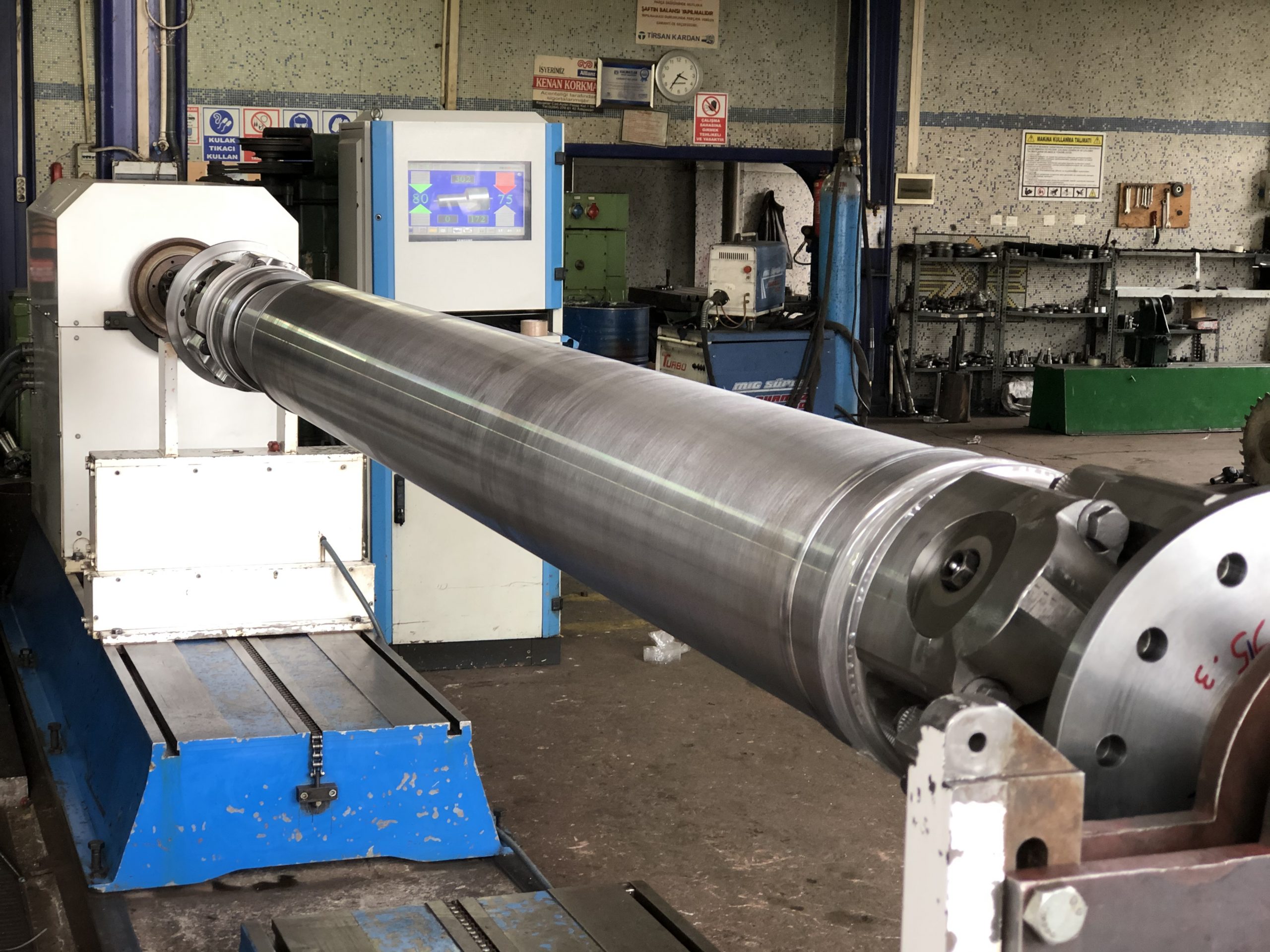
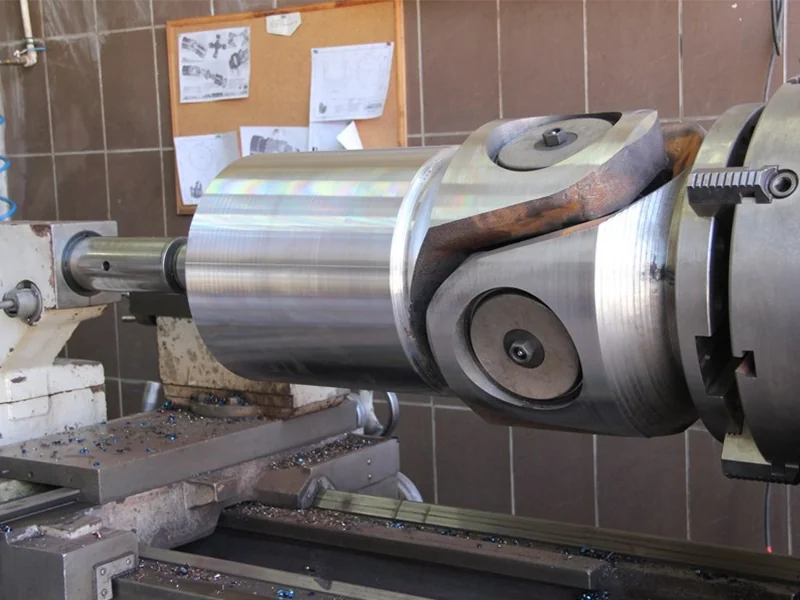
A balancing machine measures and corrects imbalance in rotating parts or assemblies. These machines help reduce vibration caused by uneven mass distribution, extend component life and support the safe operation of the machine or assembly. The two main approaches are static and dynamic balancing.
- Static balancing machines: These machines identify the amount and position of imbalance. Material or correction weights can then be added or removed until the required balance is achieved. Static balancing is often used for smaller or lighter components where a single-plane correction is suitable.
- Dynamic balancing machines: These machines measure a component while it rotates about its axis, identifying the amount and position of imbalance. Depending on the machine, correction may be performed manually or automatically. Dynamic balancing is used for more complex rotating components, including industrial motor rotors and large propellers.
Balancing machines may offer the following features:
- Precision measurement: Sensitive measurement systems identify imbalance and provide the information needed for correction.
- Automatic control systems: The control system analyses the measurements and, on machines equipped for automatic correction, initiates the required adjustment.
- Suitability for different applications: Models can be designed for industrial motors, propellers, rotors and other rotating components.
Balancing machines are used in industrial manufacturing, automotive production, power generation, aerospace and marine applications. Correct balancing helps machinery operate more reliably and safely over a longer service life.