Published:
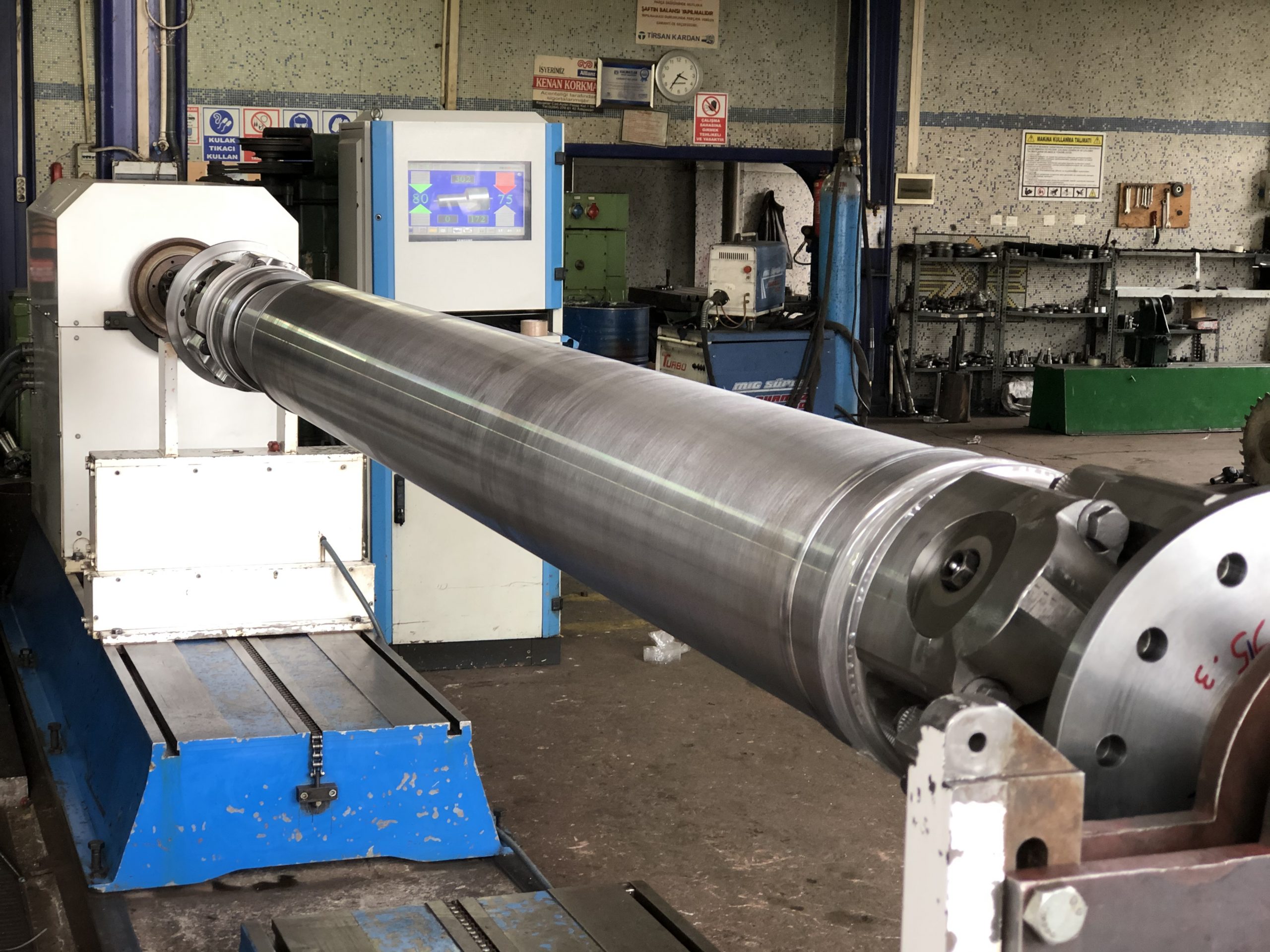
Industrial balancing machines are specialised machines used to measure and correct imbalance in rotating parts, components and assemblies. They assess the rotating component's mass distribution and identify the correction needed. Reducing imbalance helps limit vibration, extend component life, improve functionality and support safe operation.
Key features of industrial balancing machines may include:
- Precision measurement: Sensors and measuring instruments detect imbalance accurately.
- Corrective operations: Once imbalance is identified, it is corrected by methods such as adding or removing material or correction weights. Machines equipped for automatic correction can carry out these operations automatically.
- High efficiency: Fast, efficient measurement and correction support production processes where rotating components need regular balancing.
- Automatic control systems: These analyse measurements and initiate corrective operations where the machine's configuration allows.
- Suitability for different applications: Machines can be designed for automotive, aerospace, power generation and other industrial sectors.
- High capacity: Some models are designed to balance large, heavy components.
These machines are widely used in production lines and industrial facilities, where properly balanced components are particularly important. Vibration and imbalance can adversely affect machine performance, service life and safety, making balancing an important part of the manufacturing process.